



1. Know Your Plumbing System
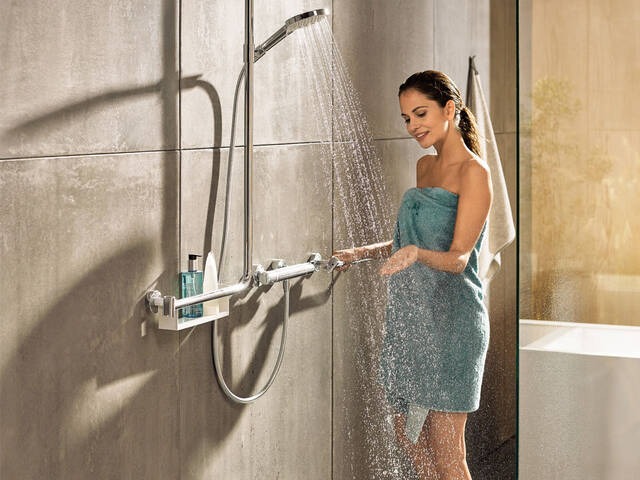
Before you dive into maintenance tasks, take the time to familiarize yourself with your home’s plumbing system. Locate the main water shut-off valve, which is essential in case of an emergency. Understand the layout of your pipes and drains, and identify where the water heater and main sewer line are situated. Knowing these details will help you respond quickly to any issues that arise.
2. Regularly Check for Leaks
Leaks are one of the most common plumbing problems and can lead to significant water damage if not addressed promptly. Inspect your pipes, faucets, and fixtures regularly for signs of leaks. Look for dripping or pooling water, especially around joints and connections. If you notice any leaks, repair them immediately or call a professional plumber if you’re unsure how to fix them.
3. Inspect and Clean the Water Heater
Your water heater is a vital component of your home’s plumbing system. Regular maintenance will extend its lifespan and ensure it operates efficiently. Check the water heater’s temperature setting, ideally set to 120°F to prevent scalding and reduce energy costs. Flush the tank annually to remove sediment buildup, which can affect performance and cause corrosion. Additionally, inspect the anode rod for signs of deterioration and replace it if necessary.
4. Maintain Your Sump Pump
If your home has a sump pump, it’s crucial to keep it in good working condition. Test the pump regularly by pouring water into the sump pit to ensure it activates and pumps the water out effectively. Clean the sump pit and remove any debris that could obstruct the pump. Check the discharge pipe to make sure it’s clear and directing water away from your home’s foundation.
5. Keep Drains Clear
Clogged drains can lead to slow water flow, unpleasant odors, and even water damage. To prevent clogs, avoid putting grease, coffee grounds, and large food particles down the sink. Use drain screens to catch hair and other debris in showers and sinks. Periodically flush drains with hot water and a mixture of baking soda and vinegar to help break down any buildup. For persistent clogs, consider using a plumber’s snake or call a professional for assistance.
6. Protect Pipes from Freezing
In colder climates, frozen pipes can burst and cause severe water damage. To prevent this, insulate exposed pipes in unheated areas such as basements, crawl spaces, and garages. Use pipe insulation or heat tape to keep pipes warm during the winter months. During extreme cold spells, let faucets drip slowly to keep water flowing and reduce the risk of freezing.
7. Test the Water Pressure
High water pressure can strain your plumbing system and lead to leaks or pipe damage. Test your home’s water pressure with a pressure gauge, which can be purchased at most hardware stores. Ideally, water pressure should be between 40-60 psi (pounds per square inch). If it’s too high, you may need to install a pressure-reducing valve to protect your pipes and fixtures.
8. Monitor the Sewer System
Your home’s sewer system is responsible for removing waste and wastewater. To keep it functioning correctly, avoid flushing anything other than toilet paper and human waste. Items such as wipes, sanitary products, and paper towels can cause blockages and backups. If you notice slow drains, gurgling sounds, or foul odors, these could be signs of a sewer line issue that requires professional attention.
9. Inspect and Maintain Fixtures
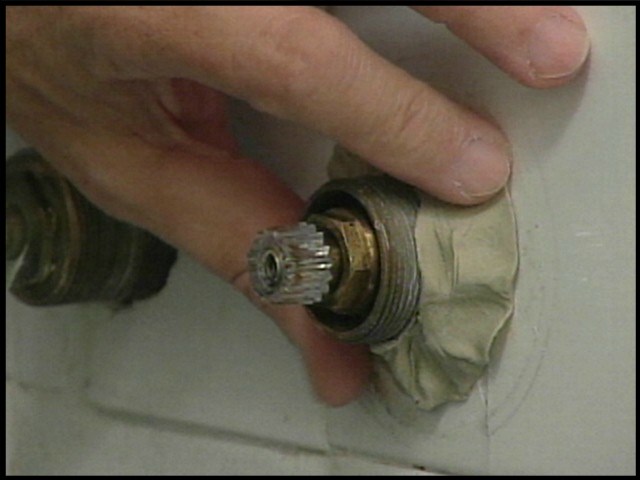
Regularly check your faucets, toilets, and showerheads for signs of wear and tear. Replace worn-out washers, seals, and gaskets to prevent leaks and ensure smooth operation. Clean aerators on faucets to maintain water flow and efficiency. For toilets, check for any running or constantly refilling issues and adjust or replace the flush valve or flapper as needed.
10. Schedule Professional Inspections
Even with diligent maintenance, it’s wise to have your plumbing system inspected by a professional plumber periodically. A thorough inspection can identify potential issues before they become major problems. Many plumbers offer annual maintenance plans that include inspections, minor repairs, and priority service.
Conclusion
By staying proactive with these essential plumbing maintenance tasks, new homeowners can safeguard their property from costly repairs and unexpected emergencies. Familiarize yourself with your plumbing system, perform regular checks, and address any issues promptly to ensure your home’s plumbing remains in optimal condition. Remember, while some tasks can be handled independently, don’t hesitate to consult a professional plumber for more complex issues or inspections. Keeping your plumbing system well-maintained will help you enjoy a worry-free and comfortable home for years to come. Are you looking for more information regarding plumbing? Then visit https://www.abacusplumbing.com/plumbing/repiping-services-austin/ to learn more.