



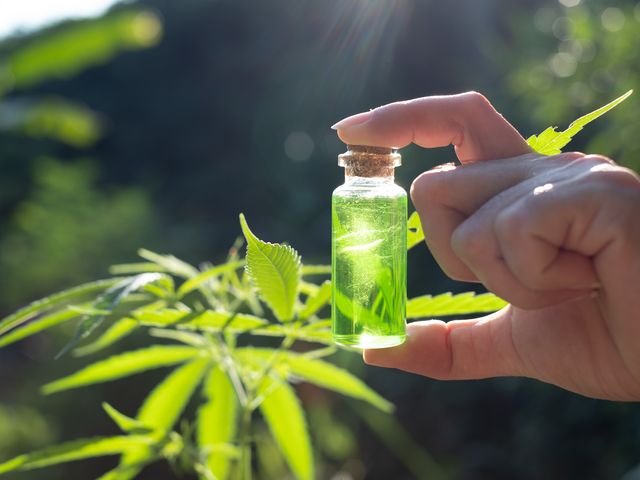
Cannabidiol (CBD) has become a hopeful option for fighting addiction as the opioid crisis keeps growing and more people struggle with substance abuse. Researchers have found that CBD could help change how addiction gets treated by offering new ways to tackle cravings and withdrawal symptoms. Some studies show CBD’s effects on the brain might calm stress and reduce the chance of relapse, which is huge in addiction recovery. People dealing with addiction might find this natural remedy a fresh chance at getting their lives back. Keep reading to uncover how CBD could shake up addiction treatment and what surprising benefits it holds.
Understanding CBD: A Brief Overview
CBD is one of the many cannabinoids found in the hemp plant. Unlike its counterpart, tetrahydrocannabinol (THC), CBD does not induce psychoactive effects commonly associated with hemp use. Instead, it interacts with the endocannabinoid system (ECS) in the human body, which regulates various physiological processes, including mood, memory, appetite, and pain sensation.
The Role of CBD in Addiction Treatment
Addiction is a complex condition characterized by compulsive drug-seeking and use despite harmful consequences. Traditional treatment approaches often involve behavioral therapy, medications, or a combination of both. However, these methods may not always yield satisfactory outcomes, leading researchers to explore alternative modalities such as CBD.
1. Alleviation of Cravings and Withdrawal Symptoms
One of the primary challenges in addiction treatment is managing cravings and withdrawal symptoms, which often contribute to relapse. Preclinical and clinical studies suggest that CBD may help alleviate these symptoms by modulating neurotransmitter systems involved in addiction pathways. For instance, CBD interacts with serotonin receptors, which play a crucial role in mood regulation, potentially reducing anxiety and cravings associated with substance withdrawal.
2. Neuroprotective Properties
Chronic drug use can lead to structural and functional changes in the brain, impairing cognitive function and decision-making abilities. CBD’s neuroprotective properties offer a glimmer of hope in reversing some of these changes. Research indicates that CBD may promote neurogenesis (the formation of new neurons) and protect against neurodegeneration, potentially restoring brain function compromised by addiction. For more insights and further information about CBD and addiction, check out The Coffee Mom to learn more.
3. Anxiety and Stress Reduction
Anxiety and stress are common triggers for substance abuse and can exacerbate addiction-related behaviors. CBD has shown promise in reducing anxiety and stress levels through its interaction with receptors involved in the body’s stress response. By promoting relaxation and emotional stability, CBD may help individuals cope with stressors without resorting to substance use.
4. Addressing Underlying Mental Health Conditions
Substance abuse often coexists with underlying mental health disorders such as depression, anxiety, or post-traumatic stress disorder (PTSD). CBD’s anxiolytic and antidepressant properties make it a valuable adjunctive therapy for managing these co-occurring conditions. By addressing the root causes of addiction, CBD-based treatments offer a holistic approach to recovery.
Current Research and Clinical Trials
While existing evidence suggests the therapeutic potential of CBD in addiction treatment, further research is needed to validate its efficacy and safety. Clinical trials evaluating CBD’s effects on various forms of addiction, including opioid, cocaine, and alcohol dependence, are underway. These studies aim to elucidate optimal dosages, administration routes, and long-term outcomes associated with CBD therapy.
Conclusion: A Promising Path Forward
The intersection of CBD and addiction treatment represents a paradigm shift in the field of substance abuse rehabilitation. By harnessing the therapeutic properties of CBD, clinicians and researchers are paving the way for more effective and sustainable recovery solutions. As our understanding of CBD’s mechanisms of action continues to evolve, so too does the hope for a brighter future free from the shackles of addiction.